

The Usemi logo designed by Chenelle Morgan
USEMI
The USEMI Racial Trauma Clinic responds to local needs by developing innovative approaches in the treatment of racial trauma in the community.
Usemi features individual and group therapy with an ethnically diverse clinical team.
We facilitate culturally and gender specific groups.
Usemi is a Swahili word that means “Speaking” and reads as you-see-me.
With questions of voice and visibility as its central concerns, Usemi strives to offer culturally competent and anti-racist support
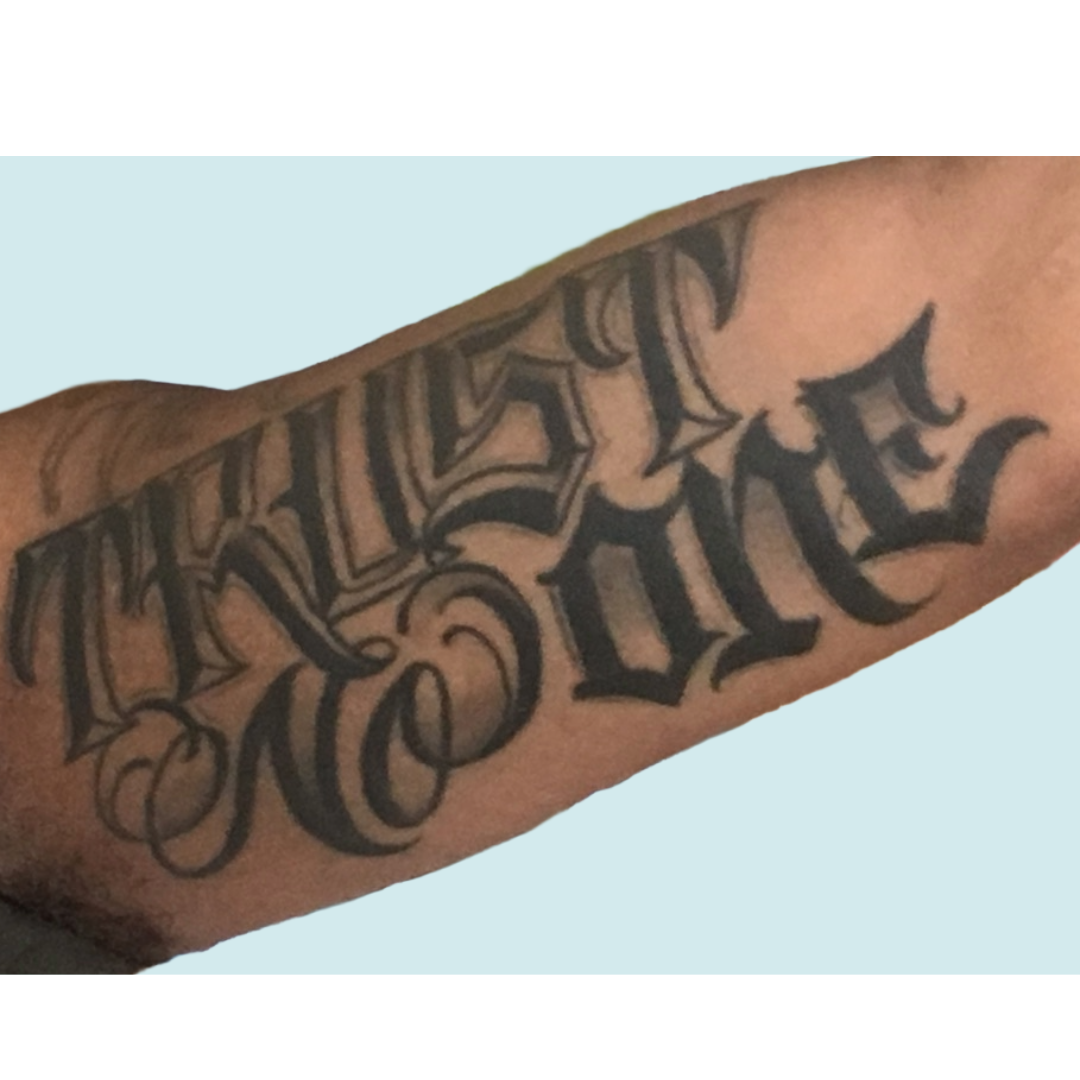
This tattoo captures the lived experience of many of our service users
The Usemi service aims to meet the specific needs of service users whose experience of mental health challenges is intersected by race, ethnicity and culture.
There are ethnic inequalities in severe mental illness: racialised communities experience a higher percentage of acute mental health issues. In keeping with statistics, our caseload includes a majority of individuals who identify as Black African (45%), Black Caribbean (35%), and Asian (20%).
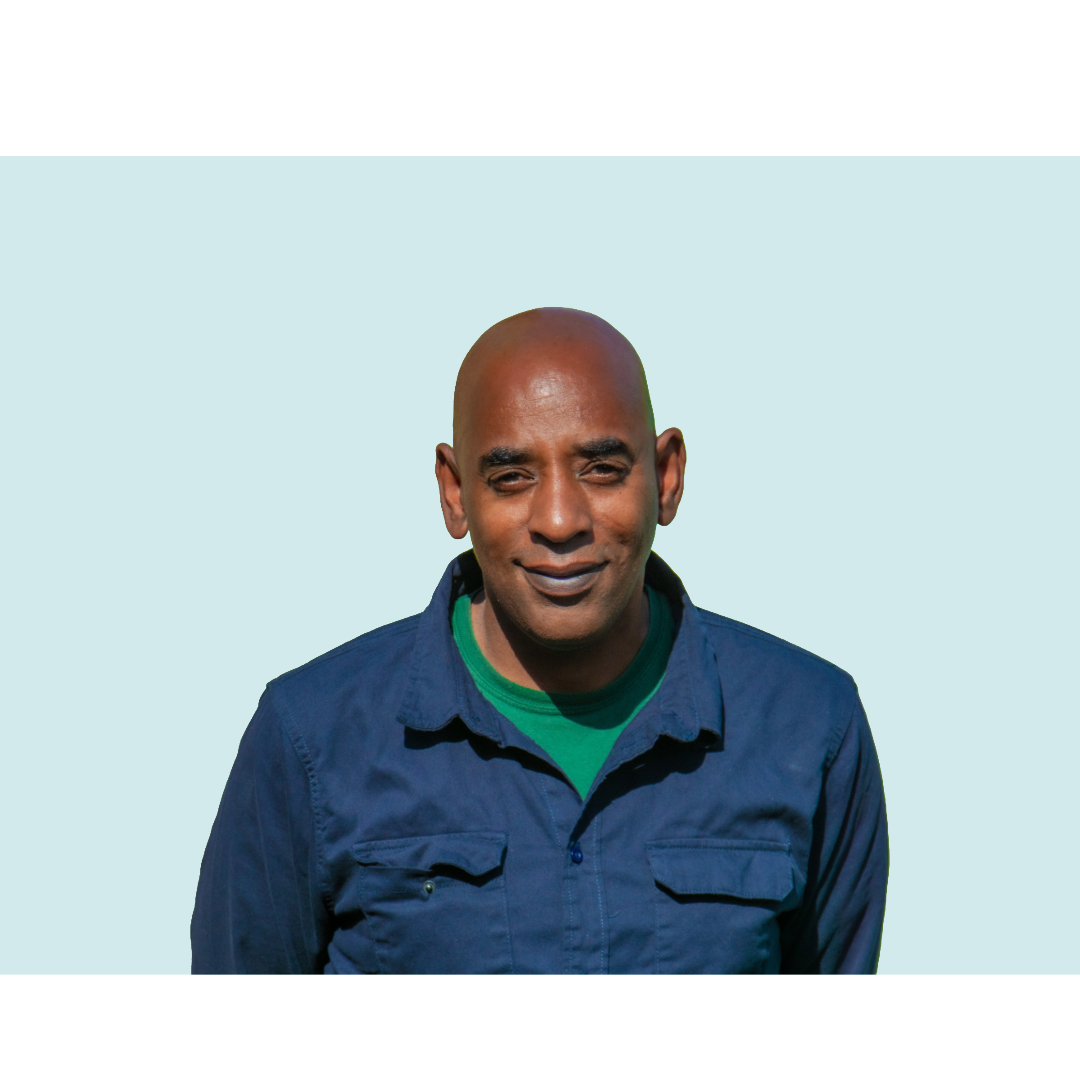
Earl has been instrumental in the creation of Usemi. He was our Racial Trauma Lead from 2020 to 2026 and remains involved with the organisation on a consultancy basis.
The USEMI Racial Trauma Clinic launched as a virtual clinic during the COVID pandemic in 2020, thanks to funding from the National Lottery Community Coronavirus Support Fund (CCSF), in response to the over-representation of individuals from racialised communities among our service users.
With Earl Pennycooke appointed as Racial Trauma Lead, the USEMI team brought together a diverse pool of therapists working across a wide range of therapeutic modalities.
It was the beginning of a crucial chapter for our organisation, eliciting a profound paradigm shift.
Feedback from Service Users
"Meeting with like-minded people has helped me deal with prejudice, stereotypes and biases towards people of colour in society."
"A great way to connect with the local community and share the challenges of being Black working-class in a very disadvantaged area.”
“We have been able to reflect and build our resilience to face our specific difficulties."